Bombs and TNT: watch the clock
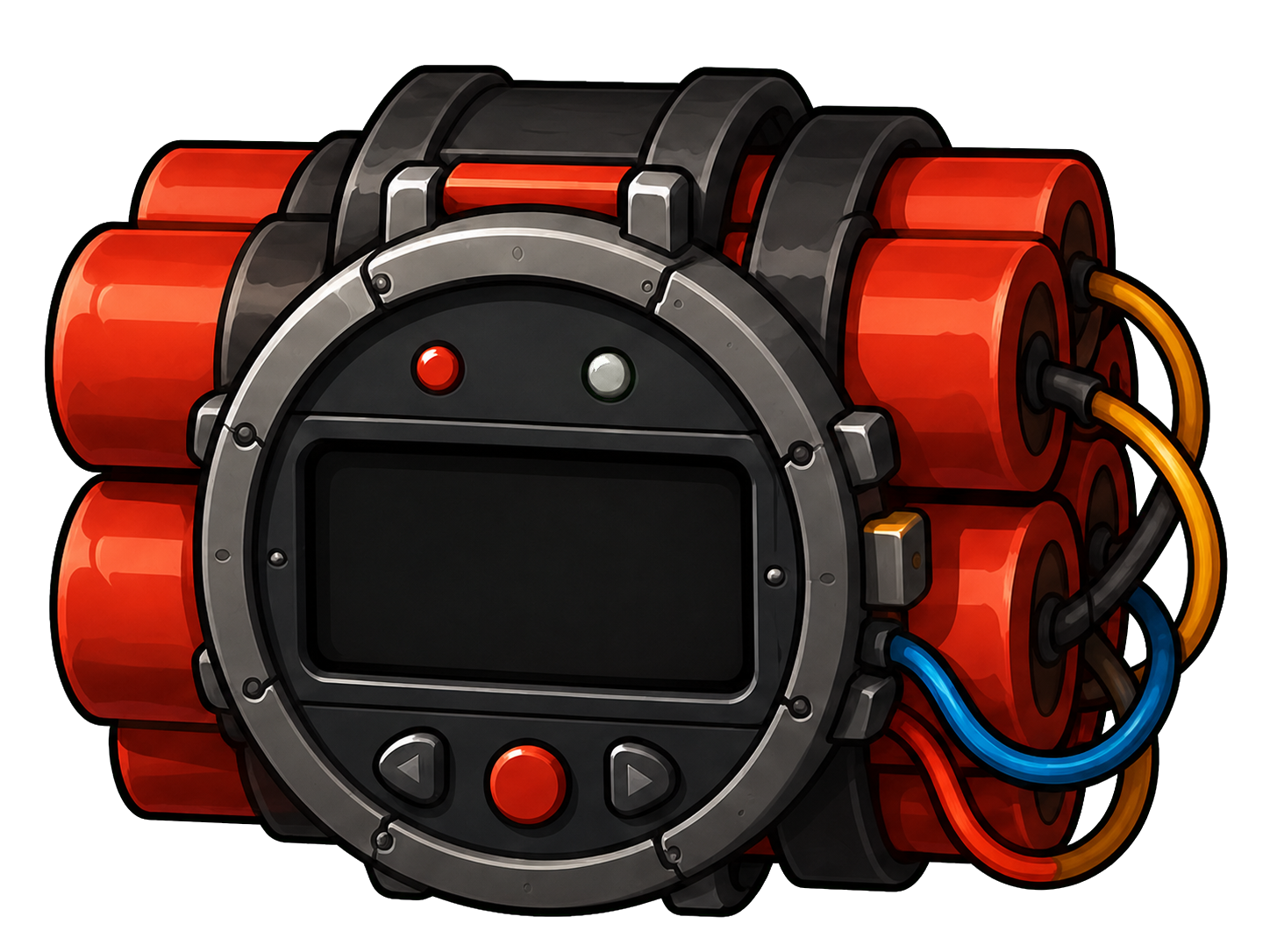
Find a clear opening before the countdown feels urgent. Bomb and TNT levels end in a cartoon explosion and failure scene if time expires. A correct exit still depends on the same straight head ray; tapping faster cannot make a blocked snake leave.
Spikes and saws: protect the center
These levels split the snakes into upper and lower fields with a protected lane for the cat. A saw travels horizontally through that lane, or spikes close toward the cat. The hazard does not cover the snake fields, so inspect both halves as you plan.
Rising water: keep the sequence moving
Water creates a visible deadline. Identify the current legal move and one route it should free. After the exit, confirm your prediction and extend the sequence. Avoid guessing at a crowded head just to keep tapping.
Retries give you breathing room
Failure on a campaign hazard gives that exact level more time on later attempts: first 120%, then 130%, and up to 140% of its base timer. Completing the level clears its assistance. Consistently quick clears can make later hazards tighter; a failure resets that extra challenge.
Common questions
Are the hazard scenes graphic?
No. They show cartoon peril, threats, explosions, and potentially frightening moments without blood, wounds, death, gore, or realistic injury.
Are hazards used in Rush?
No. Rush has its own clock and does not use campaign hazards.
Do special silhouette boards have hazards?
Campaign hazards use regular boards. Spikes and saws use dedicated split layouts.